

- Chapter 1 – From Google to ChatGPT: The New Search Era
- Chapter 2 – What Is AI Search Engine Optimization?
- Chapter 3 – How AI Decides and Ranks Your Content?
- Chapter 4: How to Rank in AI Answers (3 Key Tactics That Work for ChatGPT, Claude, Perplexity, etc.)
- Chapter 5: Tactic 3 – Technical SEO and AISEO Performance Measurement
- Chapter 6: How to find out what your prospects ask on AI platforms?
Keyword research for AI SEO is tricky, your best bet is to rely on places where your target audience shares their concerns, pain points, problems, and desires. Ensuring you address all those queries in your website’s copy puts you ahead of many other brands who miss out on these.
In Chapter 3 of our AISEO guide, I explained how platforms like ChatGPT, Claude, and Perplexity search, understand and present information. If you want a refresher on how these systems work under the hood, you can visit that chapter from here (5-minute read).
In this chapter, we’ll focus on how to do keyword research specifically for AI platforms, so your website, product pages, and brand stands a better chance of showing up in AI-generated answers.
On a fundamental level, both traditional SEO and AI search are about understanding what users need. The core difference is how people interact with these systems. Instead of typing a few detached keywords (which is how traditional search engines are used), users now have full conversations with AI. On one, intent is reset at each search, on another, it compounds.
Your optimization strategy has to look different, and take special care to reach AI platform’s recommendations. Old-school keyword research is built for search results pages and fits poorly for AI platforms.
Right now there are no reliable SEMrush- or Ahrefs-style tools that can tell you what your audience is actually asking inside ChatGPT, Claude, or similar platforms. This makes optimizing for AI answers feel a bit tricky and opaque.
So how do you figure out what your audience is asking on AI platforms? Who is being cited or mentioned in those answers, and what it will take for your brand to start appearing there as well?
In this chapter, I’ve broken down how to do this research manually. I call this process “query research.” I have focused my suggestions for B2B saas examples but I am confident that for any other business doing AISEO, these strategies will work perfectly with slight adjustments.
Let’s get into it:
What Is Your Target Audience Asking in AI Platforms? (Query Research for B2B SaaS)
On technical level, you can categorize the ‘queries’ or ‘questions’ your users ask on AI platforms into 2 types:
- Head queries (many people ask and stop here)
- Follow-ups (Everything after 1st question)
Head Queries
These are the questions people ask at the very start of their search (the “entry points”). Head queries for B2B SaaS products can be categorized into four stages, and understanding these stages helps you shape your pages around how users actually think.
- Exploration Stage
- Pain-Point Stage
- Comparison Stage
- Migration Stage
Based on my observation, all major AI platforms behave similarly when answering head queries (though not identically as their final recommendations differ).
When I tested head queries related to project management tools across all 4 stages in ChatGPT, Claude, and Perplexity, all three pulled from the same types of sources – mostly top-ranking bottom-funnel articles on Google and Bing.
Third-party citations also help you get recommended for head queries. Recent research by SEMrush showcases top cited sources in AI platform responses.
But I also noticed that even brands with fewer citations STILL got recommended when their website pages were optimized well enough (directly addressed the query intent).
If your website answers common user queries clearly, you can win a large number of recommendations through your own website copy, without relying entirely on third-party citations.
How to use the 4 stages to figure out what questions your users are likely asking about their pain-points, or challenges that your product solves:
1. Exploration Stage – Building keywords for top of the funnel searches
At this stage, your target audience is exploring possible solutions in your product category. To optimize for this stage, follow these steps:
- Think about the basic or most obvious use cases of your product i.e. why would anyone use it?
- List all the “whys.” Each “why” becomes a use-case cluster.
- For each use-case cluster, figure out how many different ways your target audience might ask about it.
- Extract the intent phrases from each question and map them back to the use-case clusters.
EXAMPLE:
For a project management tool, a core use case is to assign and manage tasks and collaborate with team members and clients.
Possible questions users might ask for this use case:
- “What’s the best tool to manage tasks and deadlines?”
- “We need one tool for tasks, files, comments, deadlines – suggestions?”
- “Can one tool handle project planning + client communication?”
- “What do marketing agencies use to stay organized?”
These questions contain intent phrases like:“manage tasks and deadlines”
“tool for small marketing agencies”
“handle project planning and client communication”
“stay organized”
“one tool to manage tasks, files, deadlines”
These intent phrases help you choose the right words for your website copy so that when users search with similar intent, AI systems can recognize the match, and recommend your product.
2. Pain-Point Stage: Building keywords for ‘problem’ phrases
This stage represents all the questions, statements your audience will throw on an AI platform related to a core pain-point your product addresses. To optimize for this stage:
- Identify the major problems your product solves. A simple method is to take your use cases and flip them into negative form. Eg: “Assign tasks and deadlines” → “Team forgets deadlines.”
- Create a list of all these problems. Each becomes a problem cluster.
- Identify the different ways users might phrase these problems.
- Pull out the intent phrases from each question and map them back to the problem clusters.
EXAMPLE:
A major problem a project management tool can solve is the inability to manage tasks, files, and communication efficiently, which leads to forgotten deadlines, lost files, and scattered conversations.
Possible questions users might ask to explain this problem:
- “Our team forgets deadlines on their tasks. What tool can solve that?”
- “How do I assign tasks without micromanaging?”
- “Client revisions get lost in WhatsApp — what to do?”
- “Simple system to track deliverables?”
Based on the intent phrases from the questions, we can shape problem–solution messaging like: “No more lost files” or “Your team won’t forget deadlines again”. Exact phrasing is not important in these cases as LLM crawlers are smart enough.
3. Comparison Stage: Ranking strategy for competitive keywords
This stage is especially important in saturated markets because users already know the available options and have strong buyer intent.
When users ask comparison-style questions on AI platforms, the responses typically draw from:
- third-party comparison articles
- Reddit threads
- YouTube comparison videos
- and occasionally, brand-owned comparison pages
To optimize for this stage, third-party citations matter a lot. But brand-owned comparison pages become extremely valuable ONLY once you’ve built some market presence.
EXAMPLE:
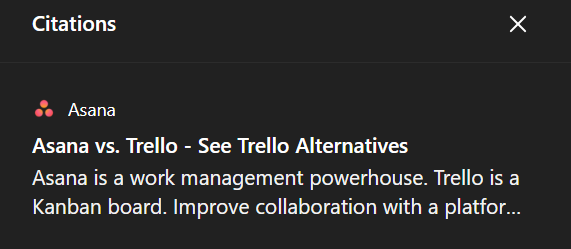
When I asked ChatGPT: “Trello vs Asana: which PM tool is better for small marketing agencies?”
The model pulled heavily from third-party websites, but it also cited Asana’s own comparison page (which is also top-ranking page on Google and Bing)
And this is what it recommended:

Asana’s page explicitly emphasises that it is more than just kanban boards, reinforcing a value proposition that aligns directly with the user’s intent.
This lets you control the narrative to some extent instead of depending entirely on external content. Your job is to hunt down the specific questions people may ask AI when comparing your product with your competitors.
Then extract the intent phrases from the questions, and frame comparison pages that address them directly and position your product as “the better choice”.
4. Migration Stage
Here, users are already using a competitor product or a workaround and want to upgrade because they’re facing specific issues with the existing product.
They fall under “pain-point clusters” but from a relative point of view (comparing your solution against what they already use). They also overlap with comparison-style queries, but they’re more specific: they reflect migration intent from one product to another.
To optimize for this stage:
- Figure out the limitations of your competitors that you do better.
- Turn each limitation into a cluster.
- Identify the ways users phrase complaints about those limitations when looking for alternatives.
- Extract the intent phrases from the complaints and map them back to the clusters.
EXAMPLE:
If anyone’s looking for a project management solution alternative, possible questions could be:
- “We use WhatsApp + Sheets — it is troubling going back and forth, what other tool would you recommend?”
- “X tool is overwhelming. Which other tool is easier to use for XYZ?”
- ‘Simpler alternatives to Asana’ or ‘Cheaper alternatives to Planview’
Once you understand the challenges people face with competitor products, and the intent phrases they use to describe those frustrations, you can shape your copy accordingly.
Tip: A great place to find these insights is your own customer calls (look at why they switched to you). Another place is in the bad reviews of your competitors, read every 1 – 3 star reviews of top products in your category and make sure you address those on your product pages.
Should you optimize for all the 4 stages? Not necessarily.
It depends entirely on your product category and how your audience evaluates solutions.
If your tool solves real, painful challenges, your primary focus should be the pain-point stage — and if users already have alternatives, then optimise for the comparison and migration stages too.
If your product is more about improving efficiency, boosting productivity, or reducing time/cost (rather than fixing acute pain), then prioritise the exploration stage, and add comparison and migration if you have strong competitors in the space.
In heavily saturated markets, your first priority should often be comparison and migration stages, because users already know the landscape — they’re not discovering the category, they’re simply comparing options and looking for a better fit.
Follow-up Queries
This is exactly where users get deeper clarity before visiting your site, essentially making them warmer leads.
And this is also one of the biggest failure points: your product might get the first mention if your citation strategy was strong, but you may drop off once follow-up questions begin because your pages aren’t optimised for these deeper queries.
EXAMPLE:
Head Query:

1st response:
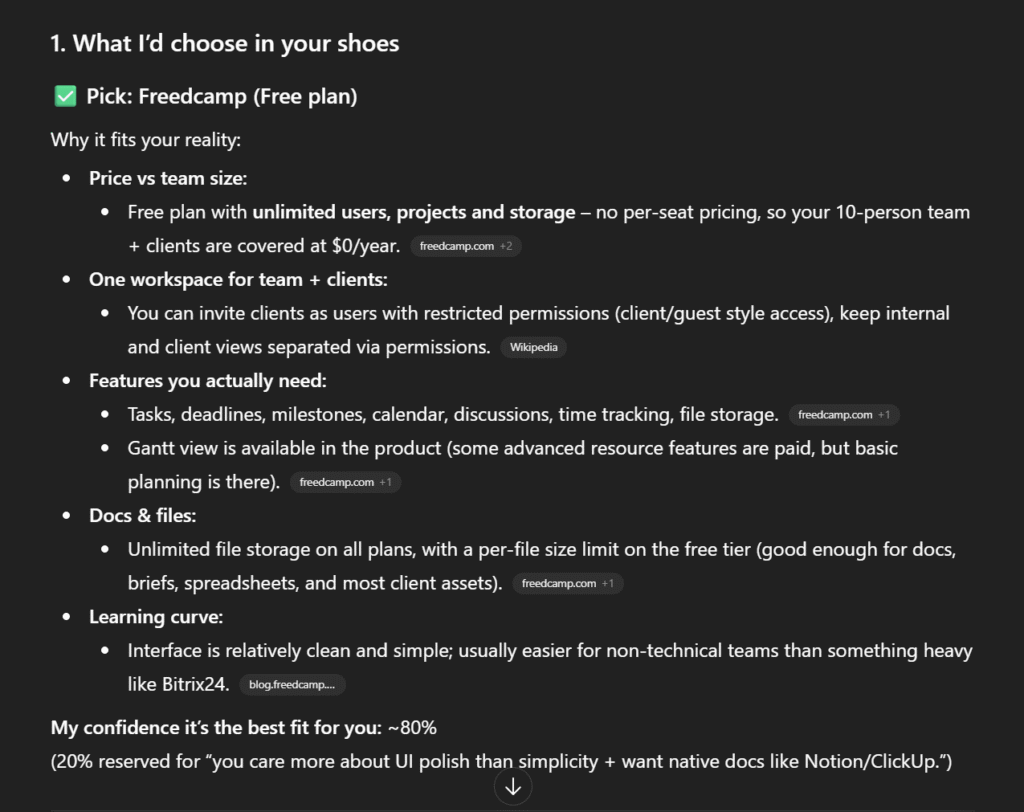
Freedcamp appears in the first recommendation because:
- its third-party citations were strong
- Its homepage reinforced the core value proposition
- Its pricing page matched the pricing-related intent
Follow-up Query:

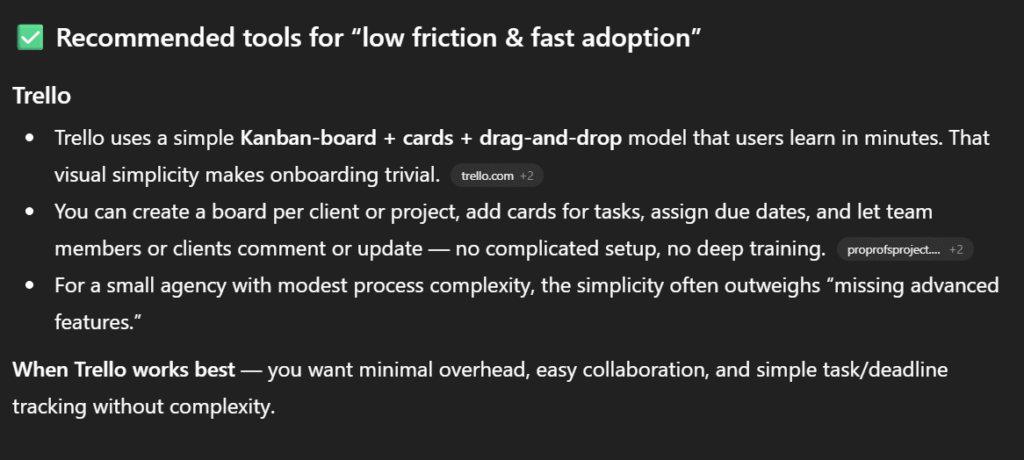
Freedcamp drops off and Trello appears instead — even though Trello wasn’t the first recommendation.
It’s because the follow-up query was about “ease of use,” and Trello’s product page addressed that intent clearly. On top of that, third-party citations also reinforced Trello’s positioning around ease of use, which made the AI system switch its recommendation in the follow-up.
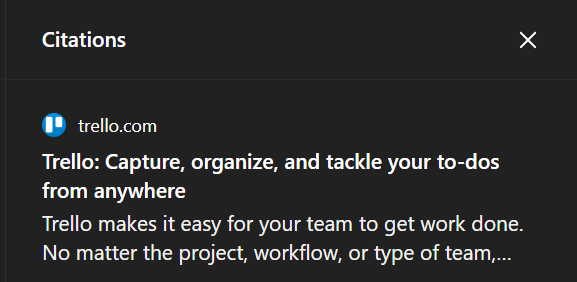
This proves that being mentioned once doesn’t guarantee continued mentions.
Your product pages must answer follow-up intents clearly, or AI systems will replace you with competitors who do.
These are the most common follow-up query clusters I figured for any B2B SaaS brand:
Clear Value Proposition: How the features of your product benefit them? How do they fit into their workflow and improve productivity or efficiency?
Collaboration/Access/Seats/Users: How does the entire team use your product? What roles, permissions, or seat structures are available?
Pricing: Does it fit their budget?
Adoption: How easy is it to learn, adopt, and use your product? How fast can a team get started?
Integrations: Can they connect their existing tech stack with your product?
Performance & Scale: Will your product support them as they grow? Can it keep up with increased workload, teams, and data without slowing down?
Devices + Mode: Which devices can they use it on? Is there an offline mode?
Trust: Who else uses it? What case studies, reviews, or social proof validate your claims?
NOTE: In AI search, the number of mentions you get across the entire conversation matters far more than your position in the initial answer. This is your share of voice — how often your brand appears across all queries and follow-ups?
Third-party citations are strong signals and can help you earn these mentions across multiple follow-up queries, but they won’t guarantee a large share of voice on their own. As AI platforms are increasingly citing brand-owned pages to answer user questions, so if your pages don’t address these queries clearly, you risk losing follow-up recommendations to competitors who do.]
Now that you understand what your target audience asks on AI platforms, the next step is to uncover the exact language they use to phrase those questions.
5 Places To Find Your Target Audience’s Real Questions
Here are 5 places where you can find your audience’s real, natural language.
1. Ask ChatGPT directly
You research using Chatgpt’s or Claude’s internal knowledge and reasoning
You can ask ChatGPT the possible questions a user might ask in your domain about your product. However, you have to be clever about it.
First, you need to set the scenario properly. My hack is: The prompt should force ChatGPT to role-play as the ICP.
You can ask ChatGPT the possible questions a user might ask in your domain about your product. However, you have to be clever about it.
EXAMPLE:
“Pretend you are the founder of a small marketing agency. You’re looking for a tool to manage tasks, deadlines, client work, and internal collaboration. What would you ask ChatGPT in plain human language?”This gives you natural, human questions, not SEO keywords.
ChatGPT can cover most of the common questions people ask in AI search, if you do the prompting right, but you may still need to dig deeper. Do note, since LLMs are trained on real textual data, they can phrase things right but it doesn’t mean that questions they share actually have a volume. So it’s not like an SEO keyword research backed by numbers. It’s more of a linguistic example of long tail queries people might ask.
2. Voice of Customer Research (Reddit, Quora, G2, Capterra, LinkedIn)
If I think there could be more issues or points to cover, I do a VOC (Voice of Customer) research in community forums like Reddit/Quora (I prefer Reddit), reviews platforms like Capterra and G2l. In these platforms, you can figure out what users are asking and in what language (Voice of Customer).
You can start by searching your primary keyword on Google + forum you want to search on, filter the date so you get the latest conversations and not outdated ones, and read those threads or check out those reviews. There are chances you’ll come across the most common pain points, what features are most popular, which of your competitors are doing great, what sort of issues you can solve, how others might be doing it, and so much more.
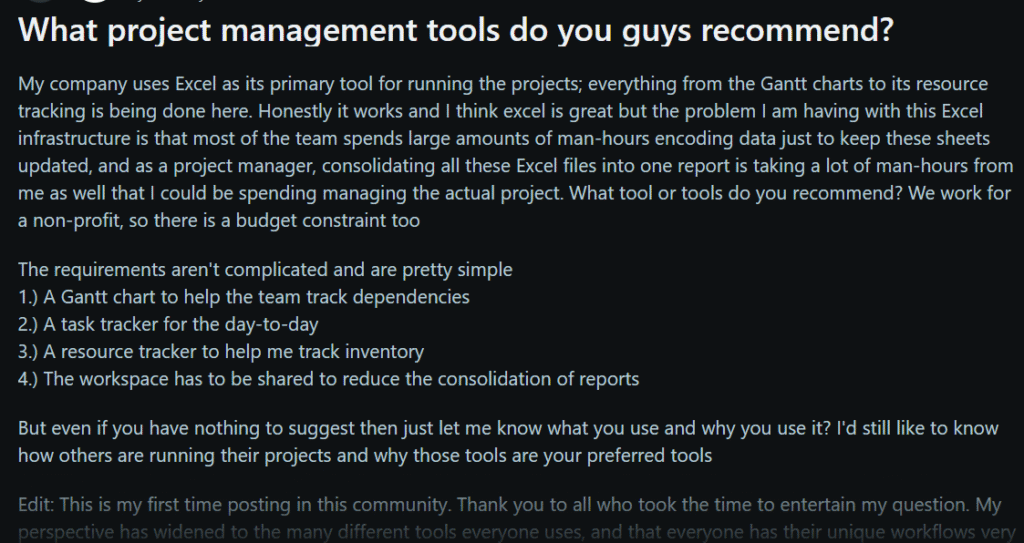
EXAMPLE: I found this thread on Reddit where the user talks about their trouble with using Excel as a project management tool. From this thread, I can figure out that the pain point is time-consuming tools, which I would like to solve with my tool. In the comments of this thread, people have recommended tools, from which I can figure out which of my competitors are being recommended the most.
3. Scan competitor pages and learn from their strategy
Before you build your own website copy, first analyse the competitor copies, especially the ones who have higher share of voice in AI platforms (i.e. the ones getting the most no. of recs by AI platforms).
You can breakdown their copies and analyze the common query clusters they have covered. You can also run your own test on ChatGPT and study the competitor pages that are being cited. On top of that, you can analyze what they’re doing great and where they might be lacking, where you should take inspiration from and then create your own framework. We have done this breakdown for you and developed a framework for all B2B SaaS brands to save you time – check out chapter 7 (coming soon).
4. Listicles, reviews, and comparison guides ranking on first pages of Google and Bing
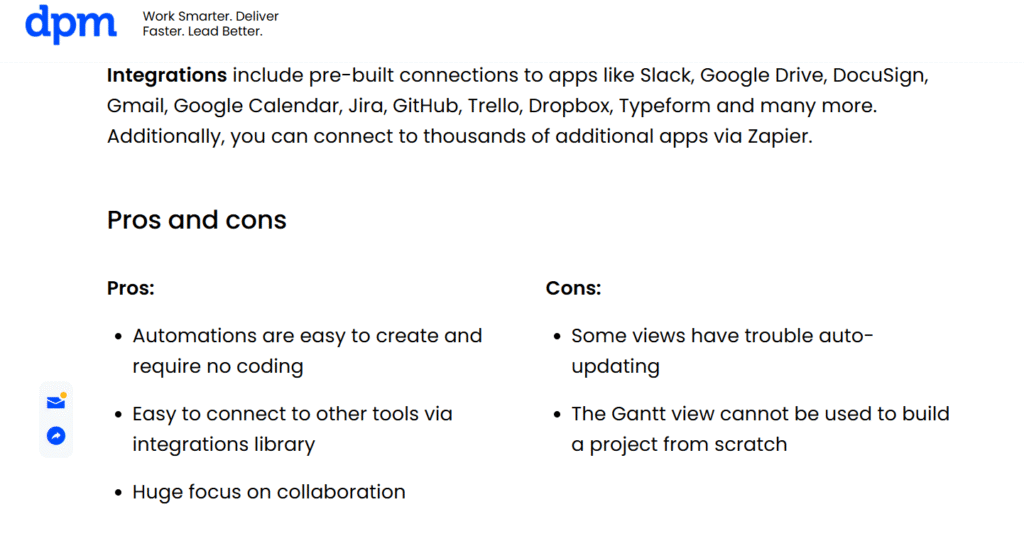
Analyse the top-ranking bottom-funnel articles for your primary keyword, especially those with pros/cons lists or feature tables or comparisons.
This helps you find: feature expectations, product strengths you should highlight and competitor weaknesses you can position against.
Include these insights in product or comparison pages.
5. Good Old Keyword Research
While Keyword Research will not give you the exact sort of questions real users ask AI platforms, it is still important to optimize your website pages. We know AI matches intent, but sometimes intent matching is as simple as keyword matching.
Say, if the intent is “project management tool for marketing teams” and your product page directly mentions “Project management tool for marketing agencies”, it is more likely to get cited (if other factors are met). That’s why I said earlier, keyword matching is a subset of intent matching. So this is still important, but this alone won’t work.
Wrapping It Up!
These are some of the ways to find out the real questions people ask about your product in AI search (Query Research) to optimize your website pages.
Query Research helps you build pages that align with how real users think, not how SEO tools think. When you understand the actual questions your ICP asks across exploration, pain points, comparisons, and follow-ups, you can shape your product pages to match those intents precisely.
Once you have these clusters, you can move on to the website copywriting phase.
If your pages answer these query clusters in clear, structured, machine-readable language, your chances of being cited and recommended across AI platforms increase dramatically.
In the next chapter, I discuss strategies on how to get recommended by AI Platforms like ChatGPT, Claude, and Perplexity without SEO Authority.
